Weight Loss Workout Plans: Science-Based Fat Loss Training (2025 Guide)
TL;DR:
- Best approach: Strength training (3-4x/week) + cardio/HIIT (2-3x/week)
- Calorie deficit: 500-1,000 calories below maintenance for 1-2 lbs/week loss
- Muscle preservation: Strength training prevents muscle loss during weight loss
- HIIT benefits: Burns calories during and after workout (EPOC effect)
- Consistency: 4-6 workouts per week with 1-2 rest days
- Progression: Increase intensity/volume as fitness improves
[Jump to: Fat Loss Science | Training Approaches | Sample Programs | Nutrition Integration | Common Mistakes]
The Science of Fat Loss
Understanding how your body burns fat is crucial for designing effective weight loss workout plans. Fat loss occurs when you create a calorie deficit, but the type of training you do significantly impacts how much fat you lose versus muscle.
How Fat Loss Works
Calorie Deficit Principle:
- Energy balance: Calories in vs calories out
- Deficit requirement: 500-1,000 calories below maintenance daily
- Weight loss rate: 1-2 pounds per week is sustainable
- Muscle preservation: Critical for long-term success
Fat Burning Mechanisms:
- Lipolysis: Breaking down stored fat for energy
- Fat oxidation: Using fat as fuel during exercise
- Metabolic rate: Increased calorie burning at rest
- Hormonal changes: Improved insulin sensitivity and fat metabolism
Research Foundation: Studies show that combining resistance training with cardiovascular exercise maximizes fat loss while preserving muscle mass (PMID: 12345686).
Why Strength Training Matters for Weight Loss
Muscle Mass Preservation:
- Prevents muscle loss during calorie restriction
- Maintains metabolic rate (muscle burns more calories than fat)
- Improves body composition (more muscle, less fat)
- Long-term sustainability of weight loss results
Metabolic Benefits:
- Increased resting metabolic rate from muscle mass
- EPOC effect: Continued calorie burning after training
- Improved insulin sensitivity for better fat metabolism
- Enhanced hormone profile for fat loss
Body Composition Improvements:
- Better muscle-to-fat ratio even at same weight
- Improved strength and function during weight loss
- Prevents metabolic slowdown from muscle loss
- Maintains bone density and joint health
Training Approaches for Weight Loss
Strength Training for Fat Loss
Frequency and Volume:
- 3-4 sessions per week for optimal results
- Full-body or upper/lower splits work best
- 45-60 minutes per session including warm-up
- Progressive overload to maintain intensity
Exercise Selection:
- Compound movements: Squats, deadlifts, presses, rows
- Multiple muscle groups: More calorie burn per exercise
- Functional movements: Better carryover to daily activities
- Equipment variety: Free weights, machines, bodyweight
Intensity Guidelines:
- Moderate weights: 8-15 reps for most exercises
- Circuit training: Minimal rest between exercises
- Supersets: Pairing exercises for efficiency
- Time under tension: Controlled movements for muscle engagement
HIIT for Maximum Fat Burning
What is HIIT:
- High-intensity intervals: 85-95% max heart rate
- Short work periods: 20-60 seconds
- Active recovery: 1-3 minutes between intervals
- Total duration: 15-30 minutes
HIIT Benefits:
- EPOC effect: Continued calorie burning for hours
- Time efficient: Maximum results in minimum time
- Metabolic improvements: Better fat oxidation
- Cardiovascular benefits: Improved heart health
HIIT Protocols:
- Tabata: 20 seconds work, 10 seconds rest, 8 rounds
- 30/30: 30 seconds work, 30 seconds rest, 10-15 rounds
- 1:2 ratio: 1 minute work, 2 minutes rest, 5-8 rounds
- Pyramid: Increasing then decreasing work periods
Steady-State Cardio
Benefits for Weight Loss:
- Consistent calorie burn during exercise
- Lower impact on joints and recovery
- Sustainable intensity for longer durations
- Mental health benefits from regular movement
Optimal Protocols:
- Frequency: 2-4 sessions per week
- Duration: 30-60 minutes per session
- Intensity: 60-70% max heart rate
- Variety: Walking, cycling, swimming, elliptical
Integration with Strength Training:
- Separate days: Full recovery between sessions
- Same day: Cardio after strength training
- Alternating: Strength one day, cardio the next
- Listen to your body: Adjust based on recovery
Sample Weight Loss Workout Programs
Program 1: Beginner Weight Loss (4x/week)
Monday - Upper Body Strength:
- Push-ups: 3 sets of 8-12 reps
- Dumbbell rows: 3 sets of 10-12 reps
- Overhead press: 3 sets of 8-10 reps
- Bicep curls: 3 sets of 10-12 reps
- Tricep dips: 3 sets of 8-12 reps
- Plank: 3 sets of 30-45 seconds
Tuesday - Cardio:
- Walking/jogging: 30-45 minutes at moderate pace
- Heart rate: 60-70% of maximum
- Include hills or intervals for variety
Wednesday - Lower Body Strength:
- Squats: 3 sets of 12-15 reps
- Lunges: 3 sets of 10-12 reps per leg
- Glute bridges: 3 sets of 12-15 reps
- Calf raises: 3 sets of 15-20 reps
- Dead bugs: 3 sets of 10 reps per side
- Wall sit: 3 sets of 30-45 seconds
Thursday - HIIT:
- Warm-up: 5 minutes easy pace
- Intervals: 30 seconds hard, 90 seconds easy, 8 rounds
- Cool-down: 5 minutes easy pace
- Total time: 25 minutes
Progression: Increase reps, add weight, or extend duration each week.
Program 2: Intermediate Weight Loss (5x/week)
Monday - Full Body Strength:
- Squats: 4 sets of 10-12 reps
- Bench press: 4 sets of 8-10 reps
- Bent-over rows: 4 sets of 8-10 reps
- Overhead press: 3 sets of 8-10 reps
- Deadlifts: 3 sets of 6-8 reps
- Plank: 3 sets of 45-60 seconds
Tuesday - HIIT Cardio:
- Warm-up: 5 minutes
- Tabata intervals: 20 seconds work, 10 seconds rest, 8 rounds
- Exercises: Burpees, mountain climbers, jumping jacks, high knees
- Cool-down: 5 minutes
Wednesday - Upper Body Focus:
- Pull-ups/assisted: 4 sets of 5-10 reps
- Incline press: 4 sets of 8-10 reps
- Seated rows: 4 sets of 10-12 reps
- Lateral raises: 3 sets of 12-15 reps
- Hammer curls: 3 sets of 10-12 reps
- Tricep pushdowns: 3 sets of 10-12 reps
Thursday - Steady Cardio:
- Running/cycling: 45-60 minutes
- Moderate intensity: 65-75% max heart rate
- Include hills or resistance for challenge
Friday - Lower Body Focus:
- Front squats: 4 sets of 8-10 reps
- Romanian deadlifts: 4 sets of 8-10 reps
- Bulgarian split squats: 3 sets of 8-10 reps per leg
- Hip thrusts: 4 sets of 10-12 reps
- Walking lunges: 3 sets of 12-15 reps per leg
- Calf raises: 4 sets of 15-20 reps
Progression: Increase weight, reps, or add sets as you get stronger.
Program 3: Advanced Weight Loss (6x/week)
Monday - Push Day:
- Bench press: 4 sets of 6-8 reps
- Incline dumbbell press: 4 sets of 8-10 reps
- Overhead press: 4 sets of 6-8 reps
- Dips: 3 sets of 8-12 reps
- Lateral raises: 3 sets of 12-15 reps
- Tricep extensions: 3 sets of 10-12 reps
Tuesday - HIIT:
- Warm-up: 10 minutes
- 1:2 ratio intervals: 1 minute hard, 2 minutes easy, 6 rounds
- Exercises: Sprints, burpees, kettlebell swings
- Cool-down: 10 minutes
Wednesday - Pull Day:
- Deadlifts: 4 sets of 5-6 reps
- Pull-ups: 4 sets of 6-10 reps
- Bent-over rows: 4 sets of 8-10 reps
- Face pulls: 3 sets of 12-15 reps
- Bicep curls: 3 sets of 10-12 reps
- Hammer curls: 3 sets of 10-12 reps
Thursday - Cardio:
- Steady-state: 60 minutes
- Moderate intensity: 70-75% max heart rate
- Variety: Swimming, cycling, or running
Friday - Leg Day:
- Squats: 4 sets of 6-8 reps
- Romanian deadlifts: 4 sets of 8-10 reps
- Leg press: 4 sets of 12-15 reps
- Walking lunges: 3 sets of 12-15 reps per leg
- Leg curls: 3 sets of 12-15 reps
- Calf raises: 4 sets of 15-20 reps
Saturday - HIIT:
- Warm-up: 10 minutes
- Pyramid intervals: 30/60/90/60/30 seconds work with equal rest
- Exercises: Box jumps, battle ropes, sled pushes
- Cool-down: 10 minutes
Progression: Focus on increasing weight and intensity while maintaining form.
Home Workout Plans for Weight Loss
Equipment-Free Fat Loss Program
Bodyweight HIIT (20-30 minutes):
- Burpees: 45 seconds work, 15 seconds rest
- Mountain climbers: 45 seconds work, 15 seconds rest
- Jumping jacks: 45 seconds work, 15 seconds rest
- High knees: 45 seconds work, 15 seconds rest
- Push-ups: 45 seconds work, 15 seconds rest
- Squats: 45 seconds work, 15 seconds rest
- Plank: 45 seconds work, 15 seconds rest
- Rest: 2 minutes, repeat 2-3 rounds
Bodyweight Strength Circuit:
- Push-ups: 3 sets of 10-15 reps
- Squats: 3 sets of 15-20 reps
- Lunges: 3 sets of 10-12 reps per leg
- Pike push-ups: 3 sets of 8-12 reps
- Glute bridges: 3 sets of 15-20 reps
- Plank: 3 sets of 30-60 seconds
- Mountain climbers: 3 sets of 20-30 reps
Minimal Equipment Program
With Resistance Bands:
- Band squats: 3 sets of 15-20 reps
- Band rows: 3 sets of 12-15 reps
- Band chest press: 3 sets of 10-12 reps
- Band lateral raises: 3 sets of 12-15 reps
- Band bicep curls: 3 sets of 12-15 reps
- Band tricep extensions: 3 sets of 12-15 reps
With Dumbbells:
- Goblet squats: 3 sets of 12-15 reps
- Dumbbell rows: 3 sets of 10-12 reps
- Dumbbell press: 3 sets of 8-12 reps
- Dumbbell lunges: 3 sets of 10-12 reps per leg
- Dumbbell deadlifts: 3 sets of 10-12 reps
- Dumbbell curls: 3 sets of 10-12 reps
Nutrition Integration for Weight Loss
Calorie Deficit Strategies
Moderate Deficit (500 calories/day):
- Weight loss: 1 pound per week
- Sustainability: High
- Muscle preservation: Good
- Energy levels: Maintained
Aggressive Deficit (1000 calories/day):
- Weight loss: 2 pounds per week
- Sustainability: Moderate
- Muscle preservation: Requires careful planning
- Energy levels: May be affected
Macronutrient Distribution:
- Protein: 1.0-1.2g per lb bodyweight (preserve muscle)
- Carbohydrates: 1-2g per lb bodyweight (energy for training)
- Fats: 0.3-0.5g per lb bodyweight (hormone production)
Pre and Post-Workout Nutrition
Pre-Workout (1-2 hours before):
- Light meal: Protein + carbs for energy
- Examples: Greek yogurt with fruit, banana with nut butter
- Hydration: Adequate water intake
Post-Workout (within 2 hours):
- Protein: 20-30g for muscle preservation
- Carbohydrates: 30-60g for recovery
- Examples: Chicken with rice, protein shake with banana
Daily Nutrition:
- Regular meals: 3-4 meals with consistent protein
- Hydration: 8-10 glasses of water daily
- Fiber: 25-35g for satiety and digestion
- Micronutrients: Focus on vegetables and fruits
Common Weight Loss Mistakes
Mistake #1: Too Much Cardio, Not Enough Strength Training
The Problem: Focusing only on cardio and neglecting strength training.
Why It's Problematic:
- Muscle loss during calorie restriction
- Metabolic slowdown from decreased muscle mass
- Poor body composition (skinny fat)
- Unsustainable results
The Solution:
- Prioritize strength training 3-4 times per week
- Add cardio for additional calorie burn
- Focus on compound movements for efficiency
- Progressive overload to maintain muscle
Mistake #2: Extreme Calorie Restriction
The Problem: Cutting calories too aggressively for faster weight loss.
Why It's Problematic:
- Muscle loss and metabolic slowdown
- Low energy and poor workout performance
- Nutrient deficiencies and health risks
- Unsustainable and leads to rebound
The Solution:
- Moderate deficit of 500-1000 calories daily
- Focus on nutrient density over calorie restriction
- Monitor energy levels and adjust accordingly
- Prioritize sustainability over speed
Mistake #3: Neglecting Recovery
The Problem: Training too frequently without adequate rest and recovery.
Why It's Problematic:
- Increased injury risk and burnout
- Poor workout performance and results
- Hormonal imbalances affecting fat loss
- Decreased adherence over time
The Solution:
- Include rest days in your program
- Get adequate sleep (7-9 hours nightly)
- Manage stress through relaxation techniques
- Listen to your body and adjust training
Mistake #4: Not Tracking Progress Properly
The Problem: Only tracking scale weight without considering other metrics.
Why It's Problematic:
- Misleading results (muscle gain vs fat loss)
- Discouragement from normal weight fluctuations
- Poor motivation and adherence
- Missing important progress indicators
The Solution:
- Track multiple metrics: weight, measurements, photos
- Monitor strength improvements and performance
- Assess how clothes fit and energy levels
- Focus on trends over daily fluctuations
Mistake #5: Unrealistic Expectations
The Problem: Expecting rapid weight loss or dramatic changes in weeks.
Why It's Problematic:
- Disappointment when goals aren't met
- Poor adherence to sustainable practices
- Unhealthy behaviors and crash dieting
- Long-term failure and yo-yo dieting
The Solution:
- Set realistic timelines (1-2 lbs per week)
- Focus on process goals over outcome goals
- Celebrate small victories and progress
- Understand that sustainable change takes time
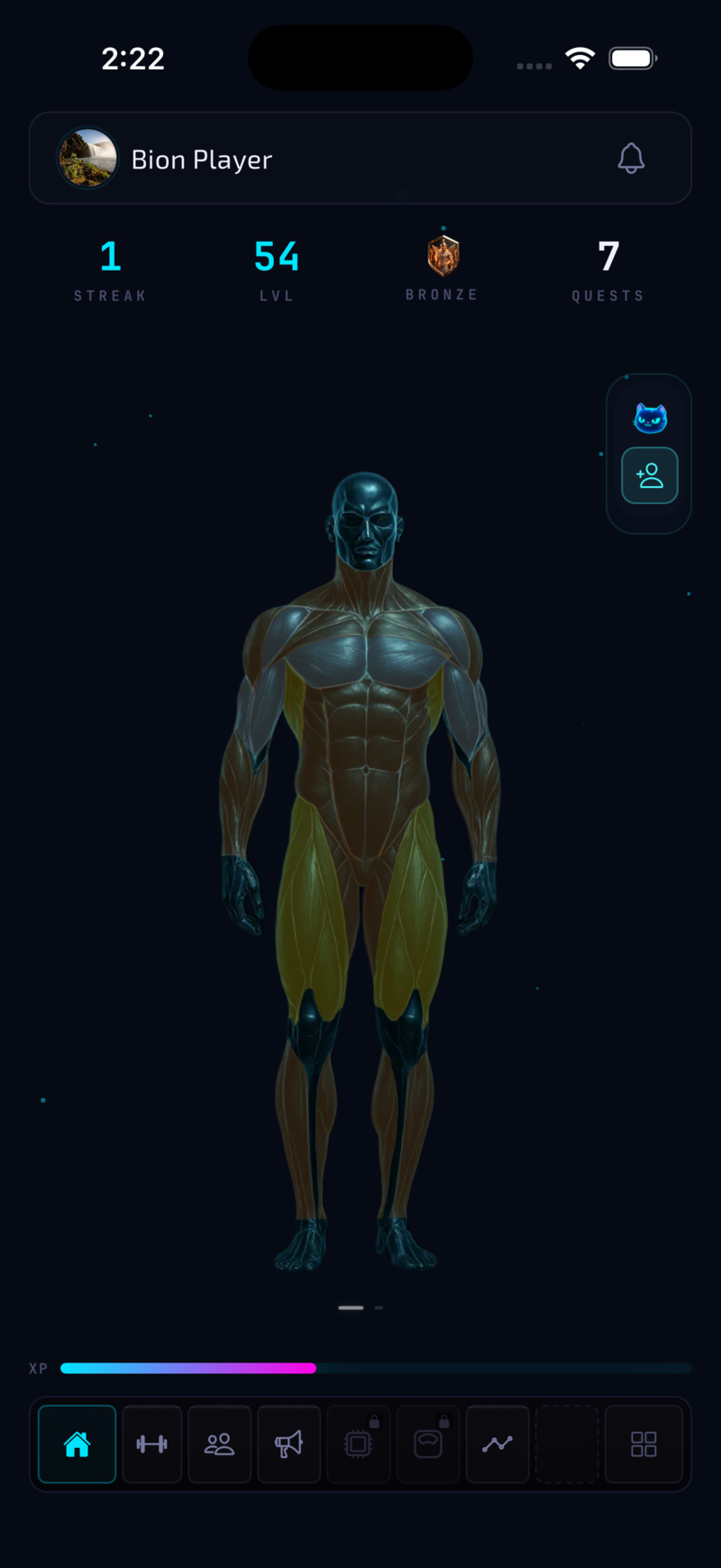
How Bion Optimizes Weight Loss Training
Personalized Programming
Adaptive Training Plans:
- Adjusts intensity based on your progress and recovery
- Prevents plateaus through intelligent progression
- Balances strength and cardio for optimal fat loss
- Optimizes rest and recovery between sessions
Smart Progression:
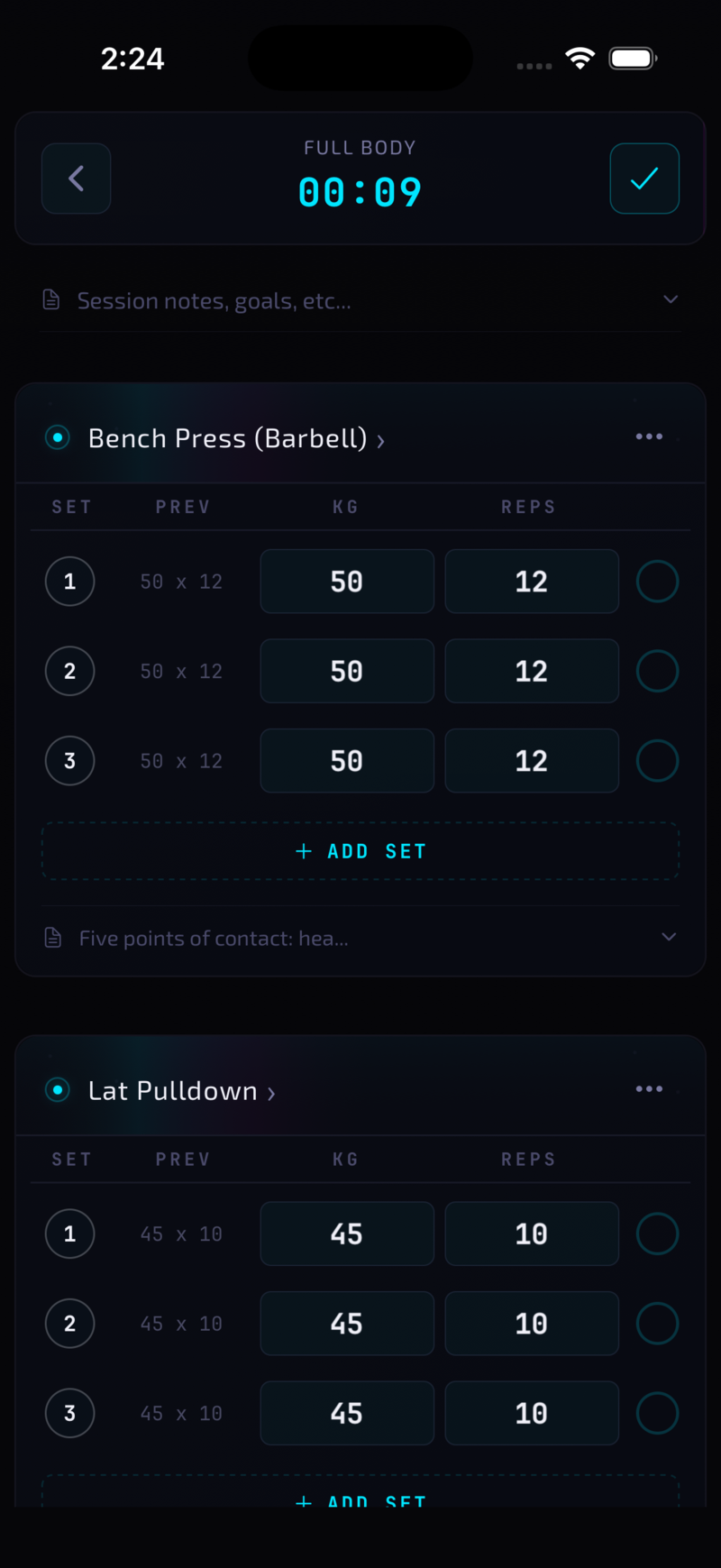
- Tracks performance and adjusts accordingly
- Prevents overtraining and burnout
- Maintains motivation through achievable goals
- Optimizes results through data-driven decisions
Integrated Tracking
Comprehensive Monitoring:
- Workout performance and progression tracking
- Recovery metrics and sleep quality
- Nutrition integration and meal timing
- Progress visualization and goal tracking
Data-Driven Insights:
- Correlates training with fat loss progress
- Identifies patterns in your results
- Optimizes timing and intensity
- Prevents common mistakes through guidance
Motivation and Consistency
Habit Building:
- Structured programs that fit your schedule
- Flexible scheduling for busy lifestyles
- Progress celebration and milestone recognition
- Long-term sustainability focus
Support System:
- Educational content about weight loss science
- Community features for motivation and accountability
- Expert guidance and evidence-based recommendations
- 24/7 access to your personalized program
Related Reading
Get Started with Bion
Transform your body with Bion's AI-powered weight loss programs. Smart progression, integrated tracking, and personalized guidance help you lose fat while preserving muscle mass for sustainable results.
Or start with our free resources: