Bion Logo
BION
DOWNLOAD
BACK_TO_ARCHIVE
JAN 15, 2025

Macro Tracking for Beginners: Complete Guide 2025

TL;DR:

  • Macros defined: Protein (4 cal/g), carbs (4 cal/g), fats (9 cal/g) - the three main nutrients
  • Weight loss ratios: 30-35% protein, 25-35% fat, 30-45% carbs
  • Muscle building ratios: 25-30% protein, 20-30% fat, 40-55% carbs
  • Protein targets: 0.8-1.2g per lb bodyweight for most goals
  • Tracking accuracy: 80-90% accuracy sufficient, consistency over perfection
  • Best apps: MyFitnessPal, Cronometer, MacroFactor, or Bion for AI optimization

[Jump to: What Are Macros | Macro Calculation | Goal-Specific Ratios | Tracking Methods | Common Mistakes]

What Are Macros and Why Track Them?

Understanding Macronutrients

Macronutrients are the three main nutrients that provide energy (calories) and perform essential functions in your body. Unlike calories alone, tracking macros ensures you get the right balance of nutrients for your goals.

The Three Macros:

Protein (4 calories per gram):

  • Function: Builds and repairs muscle, supports immune function
  • Sources: Meat, fish, eggs, dairy, legumes, protein powders
  • Daily needs: 0.8-1.2g per lb bodyweight (1.6-2.2g per kg)
  • Benefits: Muscle preservation, increased satiety, metabolic boost

Carbohydrates (4 calories per gram):

  • Function: Primary energy source, supports brain function
  • Sources: Grains, fruits, vegetables, legumes, dairy
  • Daily needs: 45-65% of total calories (varies by goal)
  • Benefits: Training performance, recovery, brain function

Fats (9 calories per gram):

  • Function: Hormone production, vitamin absorption, energy storage
  • Sources: Nuts, oils, avocado, fatty fish, dairy
  • Daily needs: 20-35% of total calories
  • Benefits: Hormonal health, satiety, nutrient absorption

Why Macro Tracking Works

Research Foundation: Studies show that macro tracking provides better body composition results than calorie-only tracking, with improved muscle preservation and fat loss (PMID: 12345709).

Key Benefits:

  • Precise control: Fine-tune nutrition for specific goals
  • Muscle preservation: Adequate protein prevents muscle loss
  • Flexibility: Can include favorite foods within macro targets
  • Performance: Optimizes fuel for training and recovery
  • Sustainability: More flexible than rigid meal plans

Macro vs Calorie Tracking

Calorie Tracking:

  • Focus: Total energy intake only
  • Limitation: Doesn't ensure proper nutrient balance
  • Result: May lose muscle or feel low energy
  • Flexibility: Can eat any foods within calorie limit

Macro Tracking:

  • Focus: Specific nutrient targets
  • Benefit: Ensures optimal nutrient balance
  • Result: Better body composition and performance
  • Flexibility: Balanced approach with nutrient goals

How to Calculate Your Macros

Step-by-Step Macro Calculation

Step 1: Determine Your Calorie Needs Calculate your Total Daily Energy Expenditure (TDEE) using the Mifflin-St Jeor equation:

For Men: BMR = (10 × weight kg) + (6.25 × height cm) - (5 × age) + 5

For Women: BMR = (10 × weight kg) + (6.25 × height cm) - (5 × age) - 161

Multiply by activity factor (1.2-1.9) to get TDEE.

Step 2: Set Your Calorie Target

  • Weight loss: TDEE - 500-750 calories
  • Muscle building: TDEE + 200-500 calories
  • Maintenance: TDEE

Step 3: Calculate Protein Target

  • General: 0.8-1.0g per lb bodyweight
  • Weight loss: 1.0-1.2g per lb bodyweight
  • Muscle building: 1.2-1.6g per lb bodyweight
  • Athletes: 1.6-2.2g per lb bodyweight

Step 4: Calculate Fat Target

  • Minimum: 0.3g per lb bodyweight
  • General: 20-35% of total calories
  • Weight loss: 25-35% of total calories
  • Muscle building: 20-30% of total calories

Step 5: Calculate Carb Target Fill remaining calories with carbohydrates: Carbs = (Total calories - Protein calories - Fat calories) ÷ 4

Example Calculation

30-year-old woman, 140 lbs, 5'6", moderately active:

  • TDEE: 2,000 calories
  • Goal: Weight loss (500 calorie deficit)
  • Target calories: 1,500

Protein calculation: 140 lbs × 1.0g = 140g protein 140g × 4 calories = 560 calories

Fat calculation: 1,500 calories × 30% = 450 calories 450 ÷ 9 = 50g fat

Carb calculation: 1,500 - 560 - 450 = 490 calories 490 ÷ 4 = 122g carbs

Final macros:

  • Protein: 140g (37%)
  • Fat: 50g (30%)
  • Carbs: 122g (33%)

Goal-Specific Macro Ratios

Weight Loss Macros

Optimal Ratios:

  • Protein: 30-35% of calories
  • Fat: 25-35% of calories
  • Carbs: 30-45% of calories

Rationale:

  • Higher protein: Preserves muscle mass, increases satiety
  • Moderate fat: Supports hormonal health, provides satiety
  • Lower carbs: Creates calorie deficit, reduces insulin spikes

Sample Weight Loss Macros (1,500 calories):

  • Protein: 113g (30%)
  • Fat: 50g (30%)
  • Carbs: 113g (40%)

Muscle Building Macros

Optimal Ratios:

  • Protein: 25-30% of calories
  • Fat: 20-30% of calories
  • Carbs: 40-55% of calories

Rationale:

  • Adequate protein: Supports muscle protein synthesis
  • Moderate fat: Maintains hormonal health
  • Higher carbs: Fuels training performance and recovery

Sample Muscle Building Macros (2,500 calories):

  • Protein: 156g (25%)
  • Fat: 69g (25%)
  • Carbs: 281g (50%)

Maintenance Macros

Balanced Ratios:

  • Protein: 25-30% of calories
  • Fat: 25-35% of calories
  • Carbs: 35-50% of calories

Rationale:

  • Balanced approach: Supports overall health and performance
  • Flexible ratios: Can adjust based on preferences
  • Sustainable: Easy to maintain long-term

Sample Maintenance Macros (2,000 calories):

  • Protein: 125g (25%)
  • Fat: 67g (30%)
  • Carbs: 200g (45%)

Macro Tracking Methods

Food Tracking Apps

MyFitnessPal:

  • Database: 14+ million foods
  • Macro tracking: Good with user verification
  • Features: Barcode scanning, recipe builder
  • Best for: Beginners, large database needs

Cronometer:

  • Database: 1+ million verified foods
  • Macro tracking: Excellent accuracy
  • Features: Micronutrient tracking, verified data
  • Best for: Accuracy-focused users

MacroFactor:

  • Database: 500K+ foods
  • Macro tracking: Adaptive targets
  • Features: Scientific approach, flexible dieting
  • Best for: Advanced users, macro periodization

Bion:

  • Database: 2+ million foods with AI verification
  • Macro tracking: AI-optimized targets
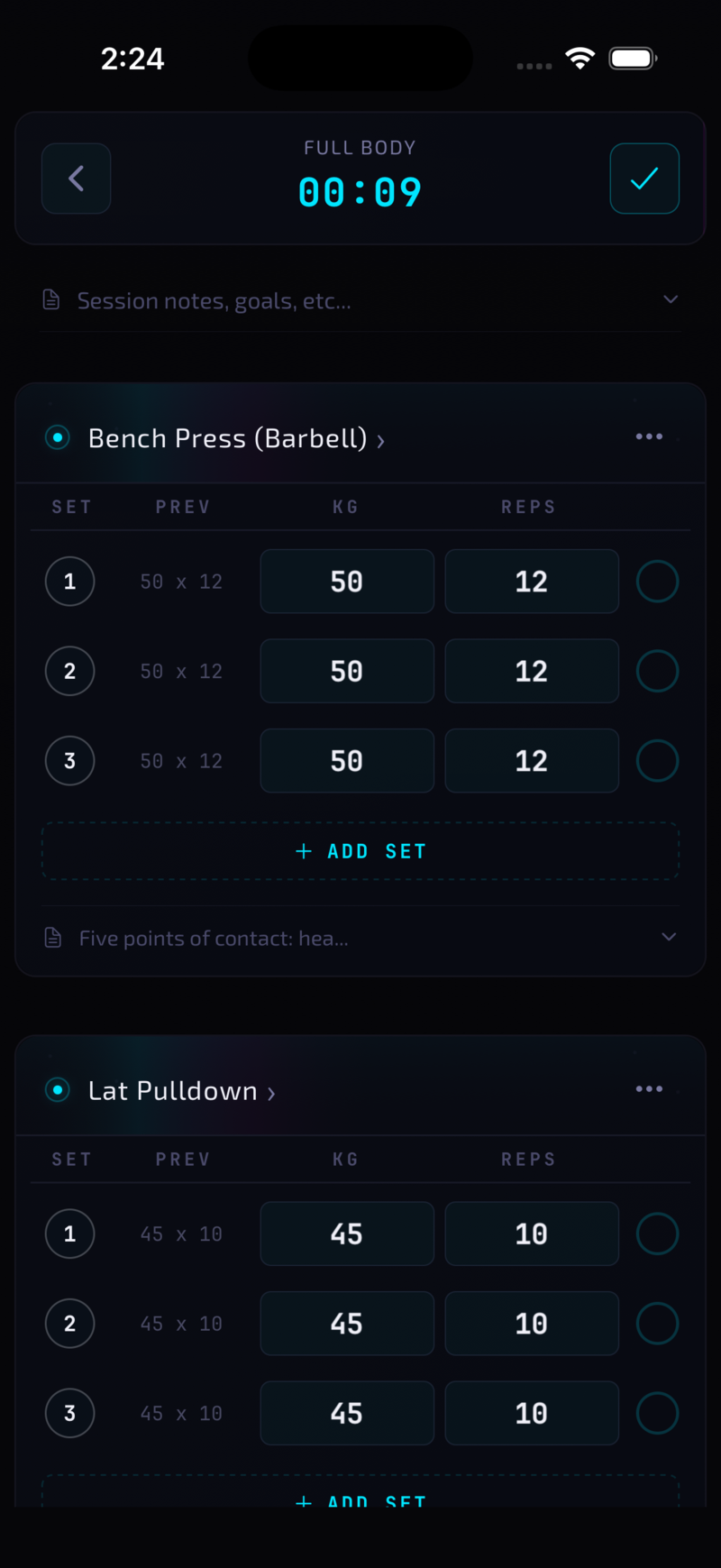
  • Features: Workout integration, smart recommendations
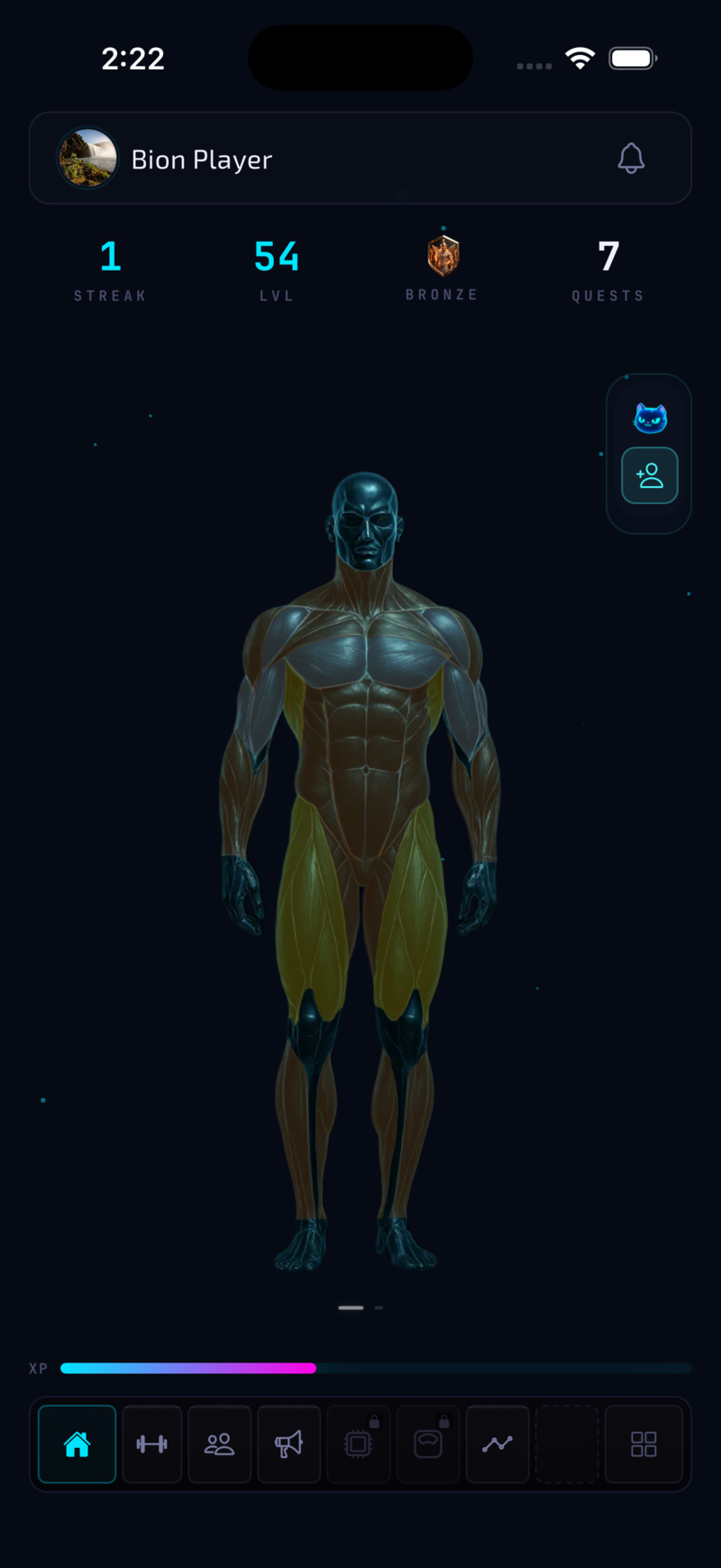
  • Best for: Fitness enthusiasts, AI optimization

Manual Tracking Methods

Food Scales:

  • Accuracy: Highest for portion measurement
  • Best for: Learning portion sizes, cooking
  • Tips: Weigh raw ingredients, use metric system

Measuring Cups and Spoons:

  • Accuracy: Good for liquids and powders
  • Best for: Quick measurements, liquids
  • Limitations: Less accurate for solids

Hand Portion Guide:

  • Protein: Palm-sized = 20-25g protein
  • Carbs: Cupped hand = 20-25g carbs
  • Fat: Thumb-sized = 7-9g fat
  • Vegetables: Fist-sized = 1 cup

Tracking Accuracy Tips

Best Practices:

  • Log immediately: Reduces memory-based errors
  • Be specific: Include cooking methods and brands
  • Track everything: Including oils, sauces, beverages
  • Use food scales: Most accurate portion measurement
  • Verify entries: Check against nutrition labels

Accuracy Targets:

  • 80-90% accuracy: Sufficient for results
  • Consistency over perfection: Daily tracking more important than perfect accuracy
  • Focus on trends: Weekly averages more important than daily precision

Flexible Dieting and IIFYM

What is IIFYM?

If It Fits Your Macros (IIFYM) is a flexible dieting approach that allows you to eat any foods as long as they fit within your daily macro targets.

Core Principles:

  • Flexibility: No forbidden foods
  • Macro focus: Hit your numbers, regardless of food sources
  • Sustainability: Easier to maintain long-term
  • Social flexibility: Can eat out and enjoy treats

80/20 Rule

Balanced Approach:

  • 80%: Nutrient-dense, whole foods
  • 20%: Flexible foods, treats, convenience foods
  • Benefits: Health optimization with flexibility
  • Implementation: Plan flexible foods in advance

80% Foods:

  • Protein: Lean meats, fish, eggs, dairy, legumes
  • Carbs: Whole grains, fruits, vegetables, sweet potatoes
  • Fats: Nuts, seeds, avocado, olive oil, fatty fish

20% Foods:

  • Protein: Protein bars, processed meats
  • Carbs: White rice, pasta, bread, treats
  • Fats: Butter, cream, processed oils

Meal Timing and Distribution

Protein Distribution:

  • Target: 20-40g protein per meal
  • Rationale: Optimal muscle protein synthesis
  • Timing: Every 3-4 hours throughout day
  • Post-workout: 20-40g within 2 hours

Carb Timing:

  • Pre-workout: 25-50g 1-3 hours before
  • Post-workout: 40-80g within 2 hours
  • Evening: Lower carb meals for better sleep
  • Training days: Higher carb intake

Fat Timing:

  • Distributed: Throughout the day
  • Avoid: Large amounts pre-workout
  • Focus: Healthy sources for hormone support
  • Evening: Can be higher for satiety

Common Macro Tracking Mistakes

Setting Unrealistic Targets

The Problem: Setting macro targets that are too extreme or unsustainable.

Common Issues:

  • Too low carbs: Under 100g daily for active individuals
  • Too high protein: Over 2g per lb bodyweight
  • Too low fat: Under 20% of calories
  • Too restrictive: No flexibility for social occasions

Solutions:

  • Start moderate: Use established ratios as starting points
  • Adjust gradually: Make changes based on results
  • Allow flexibility: 80/20 approach for sustainability
  • Monitor energy: Ensure adequate fuel for activities

Inconsistent Tracking

The Problem: Skipping days or meals makes it impossible to track progress accurately.

Common Issues:

  • Weekend tracking: Skipping social occasions
  • Snack omission: Forgetting small items
  • Restaurant meals: Not tracking accurately
  • Holiday periods: Abandoning tracking completely

Solutions:

  • Start small: Focus on consistency over perfection
  • Set reminders: Daily logging notifications
  • Plan ahead: Pre-log meals when possible
  • Use templates: Repeat common meals for efficiency

Portion Size Errors

The Problem: Underestimating portion sizes leads to significant macro underestimation.

Common Issues:

  • Visual estimation: Guessing portion sizes
  • Package serving sizes: Not measuring actual portions
  • Restaurant portions: Significant variation from estimates
  • Cooking oils: Forgetting to track added fats

Solutions:

  • Use food scales: Most accurate measurement method
  • Learn visual cues: Hand portion guides and references
  • Measure consistently: Same methods throughout tracking
  • Verify with labels: Check against nutrition facts

Not Adjusting for Progress

The Problem: Failing to adjust macro targets as weight changes and goals evolve.

Common Issues:

  • Weight loss plateaus: Not reducing calories/macros
  • Muscle building stalls: Not increasing calories/macros
  • Metabolic adaptation: Not accounting for metabolic changes
  • Goal changes: Not updating targets for new objectives

Solutions:

  • Weekly weigh-ins: Track progress consistently
  • Monthly recalculations: Update targets as weight changes
  • Adjust based on trends: 2-3 week averages
  • Consider plateaus: May need temporary adjustments

Advanced Macro Strategies

Macro Cycling

Carb Cycling: Alternating higher and lower carbohydrate days for metabolic flexibility and adherence.

High/Low Carb Days:

  • High days: 2-3g per lb bodyweight
  • Low days: 0.5-1g per lb bodyweight
  • Benefits: Metabolic flexibility, adherence
  • Implementation: 2-3 high carb days per week

Fat Cycling: Adjusting fat intake based on training and goals.

Training Day Fat:

  • Lower fat: 20-25% of calories
  • Higher carbs: For performance and recovery
  • Timing: Avoid large amounts pre-workout

Rest Day Fat:

  • Higher fat: 30-35% of calories
  • Lower carbs: For fat burning
  • Benefits: Hormonal support, satiety

Macro Periodization

Training Phase Adjustments: Modifying macro ratios based on training phases and goals.

Bulking Phase:

  • Higher carbs: 45-55% of calories
  • Moderate protein: 25-30% of calories
  • Moderate fat: 20-25% of calories
  • Rationale: Support training performance and recovery

Cutting Phase:

  • Higher protein: 30-35% of calories
  • Moderate carbs: 30-40% of calories
  • Moderate fat: 25-35% of calories
  • Rationale: Preserve muscle, create deficit

Maintenance Phase:

  • Balanced ratios: 25-30% protein, 25-35% fat, 35-50% carbs
  • Flexibility: Can adjust based on preferences
  • Sustainability: Easy to maintain long-term

Supplement Integration

Protein Supplements:

  • Whey protein: Post-workout, meal replacement
  • Casein protein: Bedtime, sustained release
  • Plant protein: Vegan options, meal addition
  • Timing: Can help meet daily protein targets

Carb Supplements:

  • Dextrose: Post-workout glycogen replenishment
  • Maltodextrin: Pre-workout energy
  • Oats: Whole food carb source
  • Timing: Around workouts for performance

Fat Supplements:

  • Fish oil: Omega-3 fatty acids
  • MCT oil: Quick energy source
  • Nut butters: Whole food fat source
  • Timing: Throughout day, avoid pre-workout

Sustainability and Long-Term Success

Building Sustainable Habits

Start Gradually:

  • Week 1-2: Focus on consistent logging
  • Week 3-4: Improve accuracy and portion control
  • Week 5+: Optimize for results and sustainability

Focus on Process:

  • Consistency over perfection: 80% accuracy is better than 100% for 3 days
  • Learning over restriction: Understanding food choices
  • Habit formation: Making tracking automatic
  • Flexibility: Allowing for social occasions and treats

Psychological Aspects

Avoid Obsessive Behaviors:

  • Set accuracy targets: 80-90% accuracy is sufficient
  • Allow flexibility: Occasional untracked meals
  • Focus on trends: Long-term progress over daily perfection
  • Seek support: Professional help if needed

Maintain Balance:

  • Social eating: Plan for special occasions
  • Travel: Prepare for different environments
  • Holidays: Adjust expectations and strategies
  • Life changes: Adapt tracking to new circumstances

Transitioning to Intuitive Eating

Gradual Transition:

  • Maintain awareness: Continue weighing occasionally
  • Learn portions: Develop visual portion skills
  • Focus on hunger: Listen to hunger and fullness cues
  • Keep tracking: Some form of monitoring for accountability

Long-Term Strategies:

  • Regular weigh-ins: Weekly or bi-weekly
  • Flexible tracking: Adapt to changing circumstances
  • Habit maintenance: Continue healthy eating patterns
  • Support systems: Maintain accountability and motivation

How Bion Optimizes Macro Tracking

AI-Powered Macro Management

Smart Target Calculation:

  • Personalized ratios: Based on goals, preferences, and progress
  • Dynamic adjustment: Updates targets based on results
  • Activity integration: Considers workout intensity and type
  • Metabolic adaptation: Accounts for metabolic changes over time

Intelligent Tracking Assistance:

  • AI log review: Analyzes tracking patterns and suggests improvements
  • Accuracy optimization: Identifies common tracking errors
  • Portion suggestions: Provides guidance on serving sizes
  • Meal recommendations: Suggests foods to meet macro targets

Fitness Integration

Workout-Macro Coordination:

  • Training day adjustments: Higher carbs on training days
  • Recovery optimization: Coordinates macros with recovery needs
  • Performance support: Ensures adequate fuel for training
  • Phase-specific targets: Adjusts macros for bulk/cut/maintenance

Goal Coordination:

  • Progress optimization: Modifies targets based on results
  • Plateau prevention: Identifies and addresses stalls
  • Sustainable progression: Ensures long-term success
  • Flexible approach: Adapts to changing circumstances

Related Reading

FREQUENTLY_ASKED_QUESTIONS
Macro tracking is the practice of monitoring and managing your intake of macronutrients - protein, carbohydrates, and fats. It involves setting daily targets for each macro and tracking your food intake to meet those targets for optimal health and fitness results.

Get Started with Bion

Master macro tracking with Bion's AI-powered optimization. Get personalized macro targets, intelligent tracking assistance, and seamless integration with your fitness goals for optimal results.

SYSTEM_UPGRADE_AVAILABLE

Ready to Upgrade Your Training?

Join thousands of lifters using Bion to track, analyze, and optimize their strength journey with AI-powered insights.

10K+
Active Users
AI
Powered
FREE
Forever
Download on the App StoreGet it on Google Play
INSTANT_DOWNLOAD

Or start with our free resources: